Why Clean Code Matters in Frontend Development
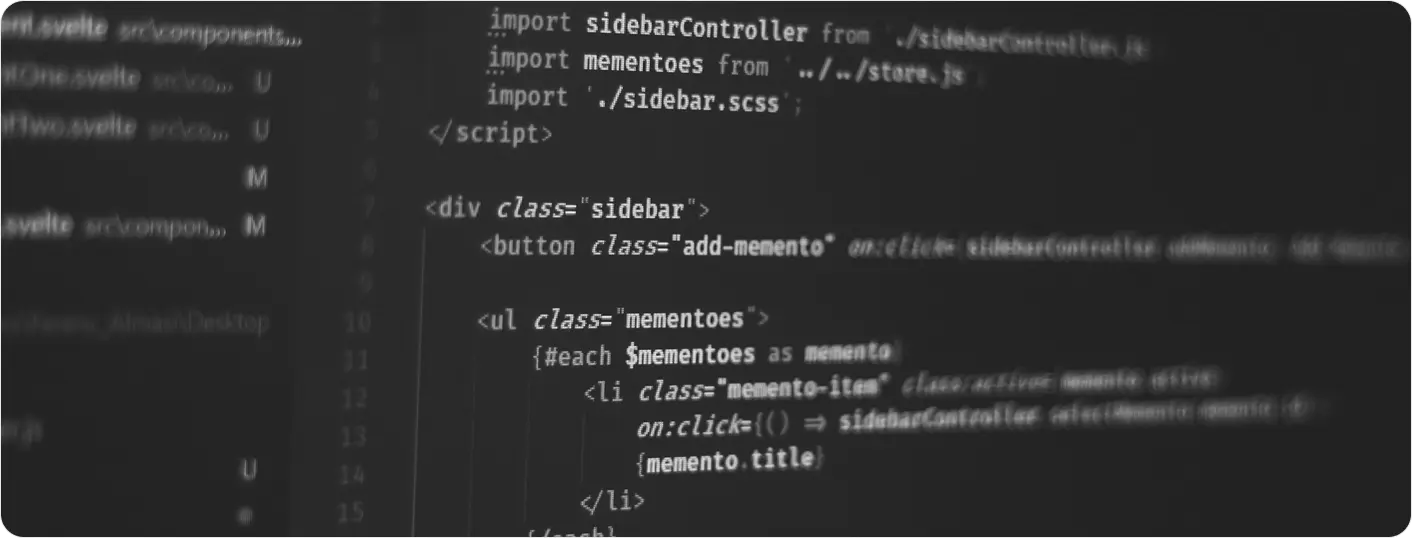
How to Write Clean Frontend Code
- Use meaningful names: getUserProfile() is much clearer than getData().
- Keep components small: each should do one thing well.
- Follow a style guide: whether it's ESLint, Prettier, or a team-defined rulebook.
- Write comments sparingly but wisely: explain why, not what.
- Refactor regularly: don't let "temporary fixes" live forever.
In the fast-paced world of web development, deadlines often push developers to prioritize speed over structure. But in the long run, messy code becomes a burden for both the developer and the client.
Clean code isn't about writing fewer lines of code. It's about writing code that is easy to read, easy to understand, and easy to change. Think of it as writing a story: someone else (or even your future self) should be able to read your code and immediately know what's going on without guessing.
Some key traits of clean code:
- Clear naming conventions for variables, functions, and components.
- Avoiding unnecessary complexity.
- Following established best practices and coding standards.
Why It Matters in Frontend Development
- Better Collaboration
Frontend projects often involve multiple developers working together. Clean code ensures that everyone can understand and extend each other's work without wasting time trying to figure out what a piece of code is doing. - Easier Maintenance
Websites and applications evolve over time. New features get added, designs change, and bugs appear. Clean, well-structured code makes it easier to maintain and update a project without breaking existing functionality. - Improved Performance
While not always obvious, messy code can sometimes lead to performance issues. Clean, efficient code often runs faster and avoids common pitfalls like duplicate logic or unnecessary re-rendering. - Scalability
A website might start small, but most businesses grow — and so do their digital platforms. Clean code provides a strong foundation for scaling the project without having to rewrite large parts of it later. - Future-Proofing
The frontend ecosystem evolves quickly. Frameworks, libraries, and tools come and go. Clean, modular code makes it easier to migrate or integrate with new technologies when needed.
Final Thoughts
Clean code may take a little extra effort up front, but it pays off enormously in the long run. It makes projects easier to maintain, scale, and improve — and it saves countless hours of frustration. For frontend developers, clean code is not just about writing software that works today, but about building a foundation that will continue to deliver value tomorrow.
`